
Heroes at Home: Amanda Smith
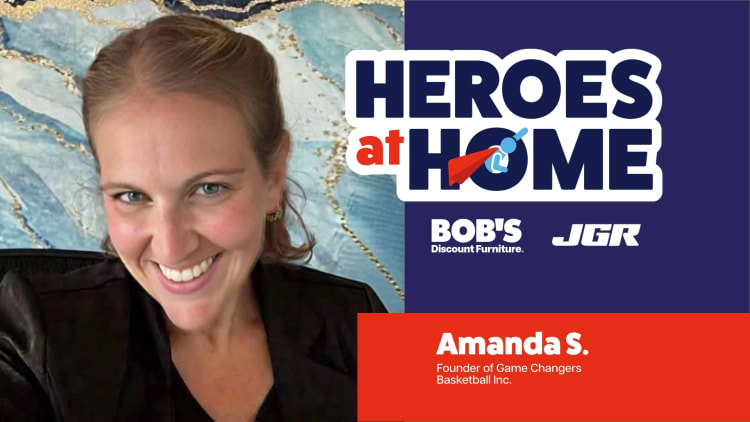
Amanda SmithLives in East Hartford, CT
Originally from East Hartford, CT
Works as a licensed professional counselor and mobile crisis clinician at the Middletown Department of Mental Health and Addiction Services
Founder of non-profit Game Changers Basketball Inc.
Amanda Smith changes lives — on and off the court. As a licensed counselor and founder of youth non-profit Game Changers Basketball Inc., Amanda supports Connecticut families with both their mental and physical wellness. Click here to read more.
What drew you to this kind of work? What do you enjoy most about your work or volunteer service?
I struggled as a teen. I had a split home, and I grew up around a lot of people who had mental health problems and substance abuse disorders that they were using to treat their mental health problems. So I always knew that was something I wanted to know more about and [learn] how I could help. And with [my job at crisis hotline 988], I actually lost a sister a few years ago to suicide, so that’s what drove me to that position — it opened up almost right after that happened. It was like it was meant for me.
Can you share a moment or experience that made you especially proud?
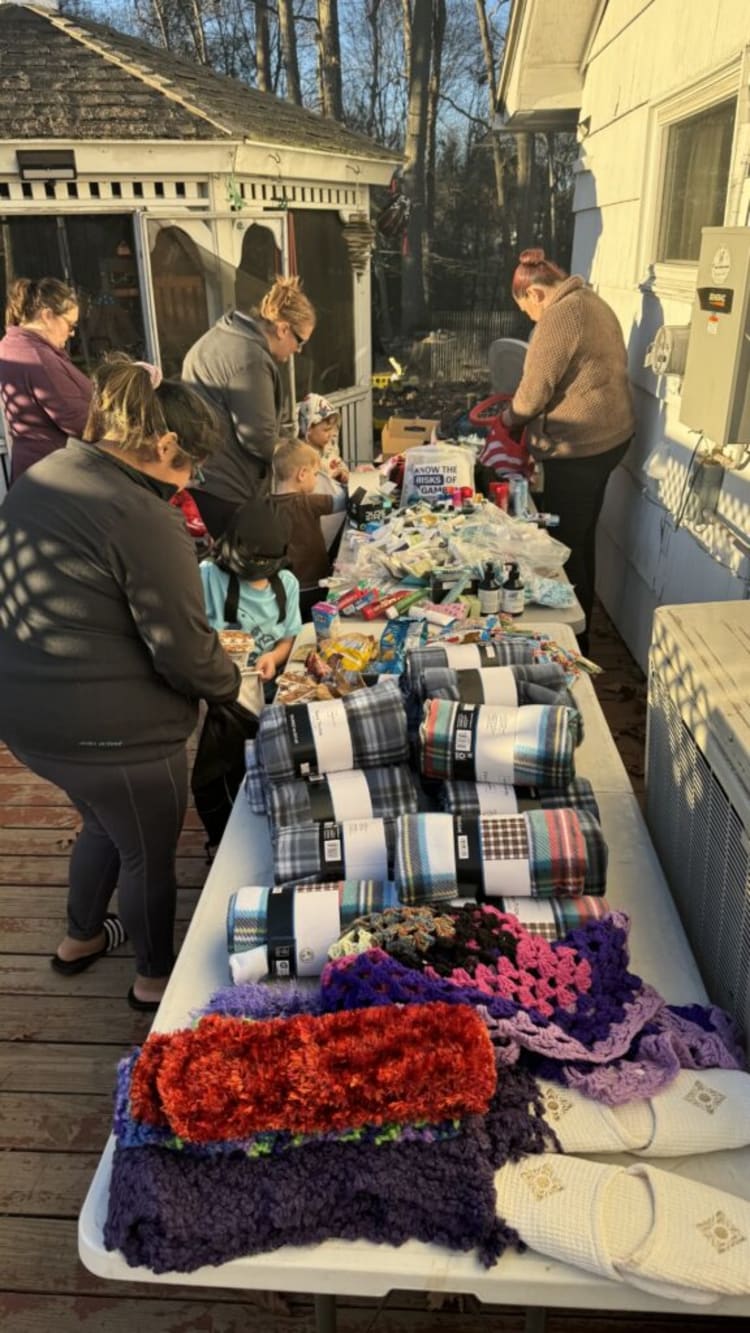
One of the things I’ve been doing for about five years is called Panda Village which started because there was a need [for support] outside of the community agencies I worked for. I rallied together people in my community and we’ve been doing [programming to support] adoptive families and holiday programs around this time of year. I love doing it because it’s [about] serving others and us coming together to do that — that’s what it’s all about.
And then the non-profit I started, Game Changers Basketball Inc., is a weekly park meet-up program to help youth and their families —our goal is to reach families, not just with basketball, but [with] wellness programs, and then ultimately have a community center that offers a food pantry, clothing closet, free classes, free wellness groups, [and other] things like that for the families to connect to. Our motto is Be the Change.
Growing up, my grandfather and my dad always took me to UConn games, and then I coached rec ball for a while. I have nieces and nephews who still play and now, I wanted to get back into it because my son is 4 and he’s almost of age to get into the rec groups — and that’s what I wanted to offer other kids too.
Every year, especially around this time of year, we are able to take on more and more families — I’m proud to see everybody come together and [proud of] the ability that I have to draw people into this to help us, and have families that are no longer in a place where they need help come back and pay it forward. I’m really proud of the work that we do.
What inspires you to keep giving back, even when life gets hectic?
When I’m giving back to others who need that support, I forget about my problems — because there are so many people who have it worse. Being able to provide a resource and a form of hope to others keeps me going — it provides a lot of energy.
Who has influenced or inspired the way you serve others?
My family has always been really good about helping others no matter the circumstances — they’ve always pushed me to do what I can within my ability. I have a grandmother who’s the volunteer coordinator of the Manchester Road Race — she’s been doing that for 45 years now and I’ve been a part of it for 25 years. It’s a pretty cool experience to watch her continue to do that at 86 years old.
What’s one thing you wish more people knew about the work you do or the people you serve?
A lot of times the people we serve are either homeless or in a [bad] financial situation because let’s face it, our economy is not great. I always say to others, try not to judge, [because] we can all be one choice or one [event] from being fired or laid off — no one chooses to struggle, especially our youth. There are so many families that need to be connected to the right support [system] and resources, and we overlook the fact that there’s always something that we can do — whether it’s to bring [them] a meal, or offer them a number to a place that can provide that in some shape or form.
If you could give one message of encouragement to your community, what would it be?
Kindness goes a long way — every small act can have a huge ripple effect. It all goes back to that. We can all do something — even the smallest act will project onto the greater good.
If you were a piece of furniture, what would you be — and why?
A recliner — because who doesn’t love recliners? They’re the foundation of a living room, especially in my family.
Do you have any “core furniture memories”?
(For example, a special chair only your dad sat in, or those famous plastic-covered couches!)
Going back to that recliner, my grandfather had that one chair he [always] sat in in the living room. We all gathered around him in that chair, and unless he wasn’t home, everybody knew not to sit in that chair. Now, my dad has one at his house and it’s fancy — it’s upgraded with a remote and everything. My son tries to take it over, but these grandparents are different — they just let them! These grandparents are little doormats.
In your opinion — what’s the best way to build a furniture fort?
Coming from a large sibling group, [we’ve made a lot] of forts inside and outside. The inside ones were usually [built from] the couches that we had there and we would move them in a way where we could drape blankets across it and then put the cushions on the outside so as to not grant entry if you didn’t have the password!